Island History
25,000 years — from the Timucua to Old Florida preserved
Native Peoples
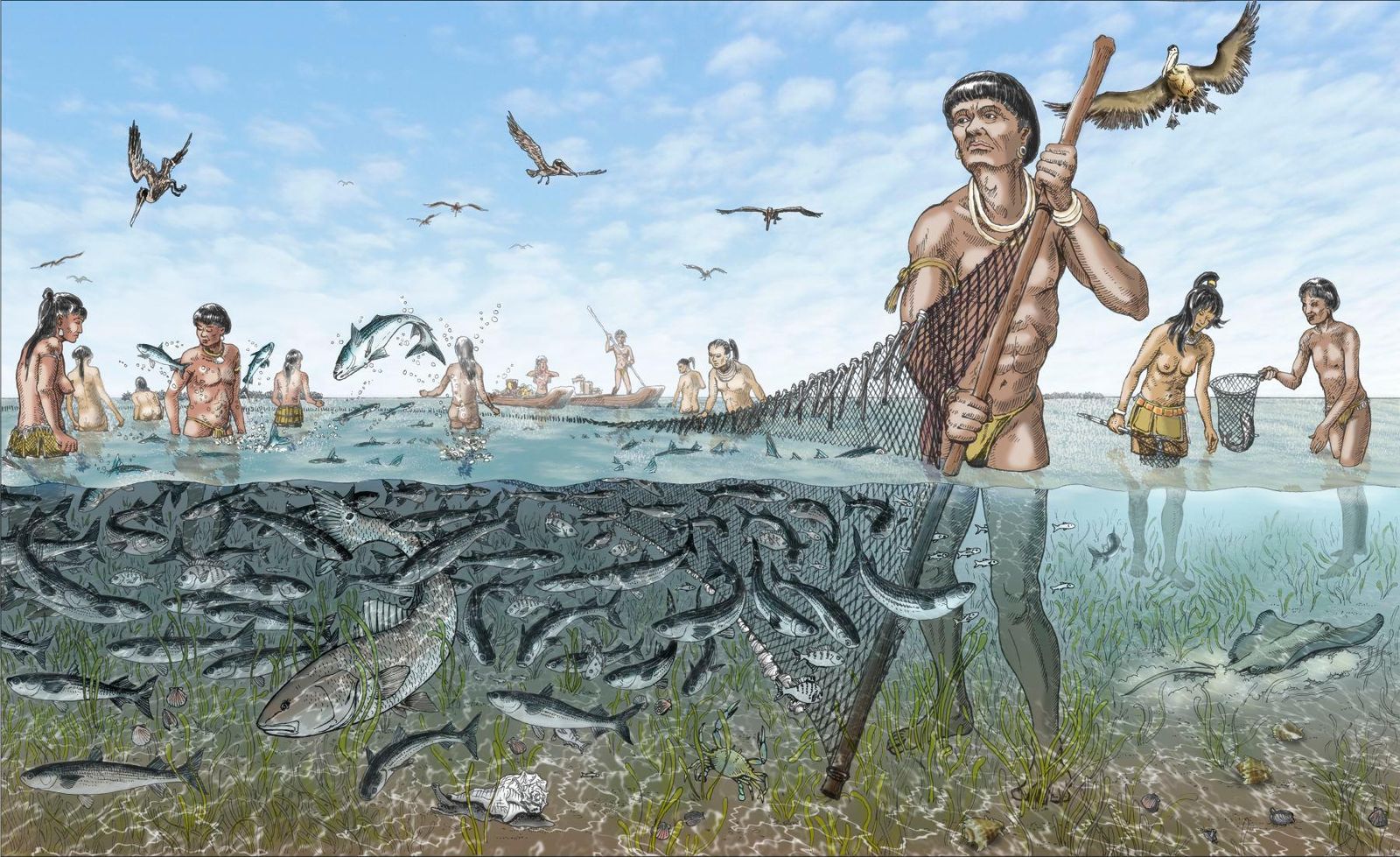
Long before tourists discovered Anna Maria Island's white sand beaches, the Timucua people made this 25,000-year-old barrier island their home around 1000 AD. The Calusa and Tocobagan tribes also used the island for fishing, hunting, and foraging — building a rich culture sustained by the Gulf's plentiful waters.
These mound-builder tribes were responsible for a vast system of estuaries throughout historic Manatee County. Their tools were the very shells that still wash upon AMI's shores today — the same shells visitors now collect as souvenirs.
The Timucua used shell tools and built shell mounds still visible along Florida's coast today.
Spanish Exploration
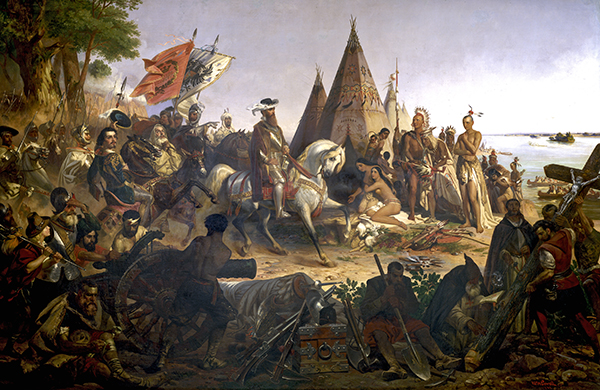
In 1539, Spanish explorer Hernando de Soto landed nearby and began the Spanish exploration of the region. The Spanish named the island "Ana-Maria-Cay" — after Maria, the mother of Christ, and her mother, Anna. This is the origin of the island's name that endures to this day.
The Spanish invasion ultimately devastated the peaceful native population through disease and violence. For centuries, territorial wars between European powers shaped the fate of Florida until the United States claimed it in 1819. The name "Anna Maria Key" was officially registered with federal records in 1894.
The Spanish named the island Ana-Maria-Cay — the origin of Anna Maria Island's name.
Pirates & Buried Treasure
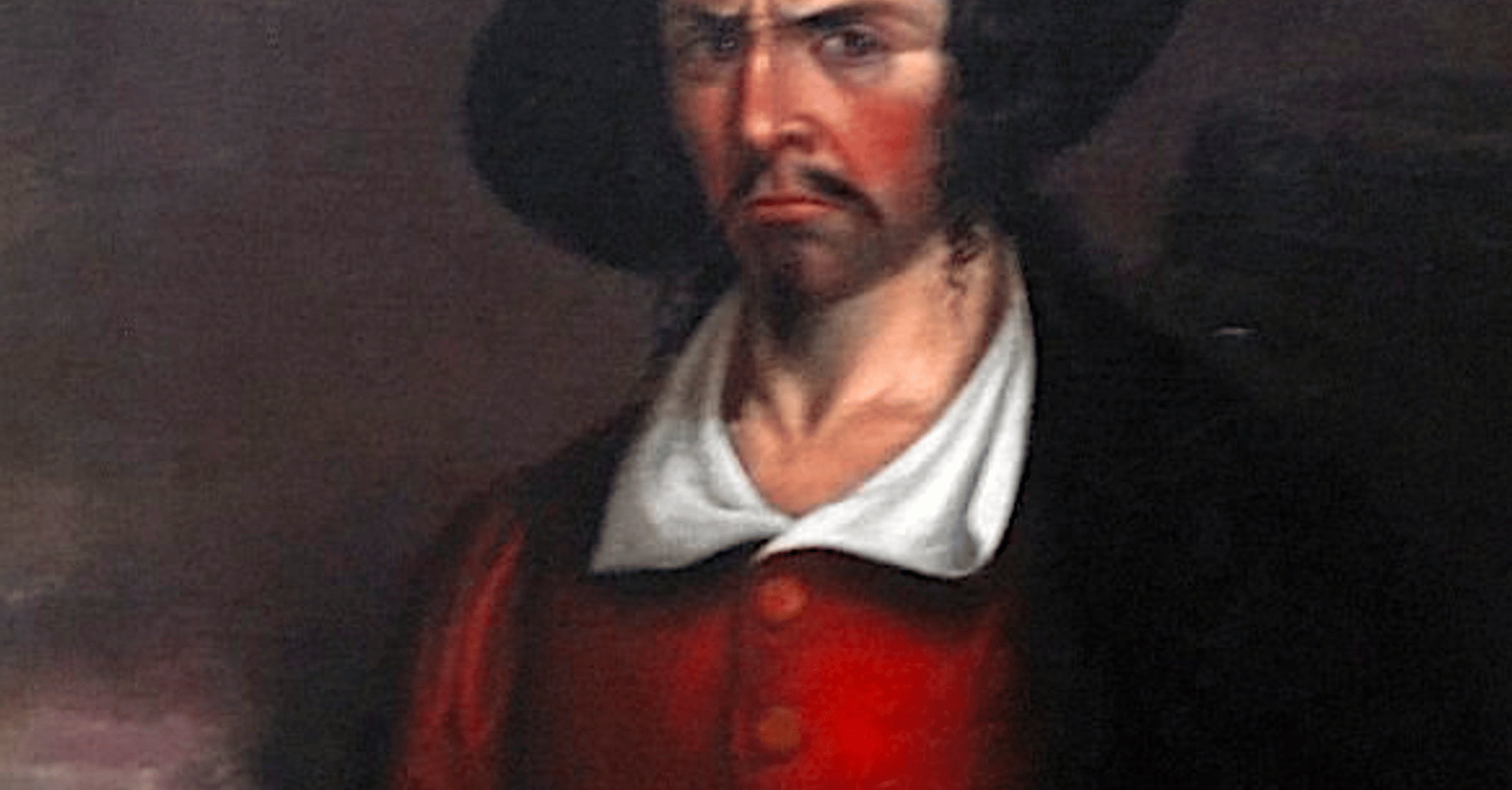
The famous French pirate Jean Lafitte — celebrated for helping Andrew Jackson defend New Orleans in the Battle of 1812 — shipwrecked one of his vessels on the island in 1821 along the bayside south end, now named Leffis Key. Lafitte operated ports along the Gulf of Mexico from Florida to Texas.
The Islander newspaper once reported that Lafitte was chased up the Manatee River by a U.S. warship in 1829. His ship ran aground, and witnesses saw his crew fleeing with a treasure chest. "They hid in the bushes and watched as the Navy craft set fire to their ship and then sailed away. The abandoned pirates supposedly dug a hole and buried the chest intending to return for it later, but they never did."
That treasure is said to still be hidden somewhere along AMI's shores — sought after to this day.
Jean Lafitte's buried treasure is said to still be hidden somewhere on Anna Maria Island.
First Settlers
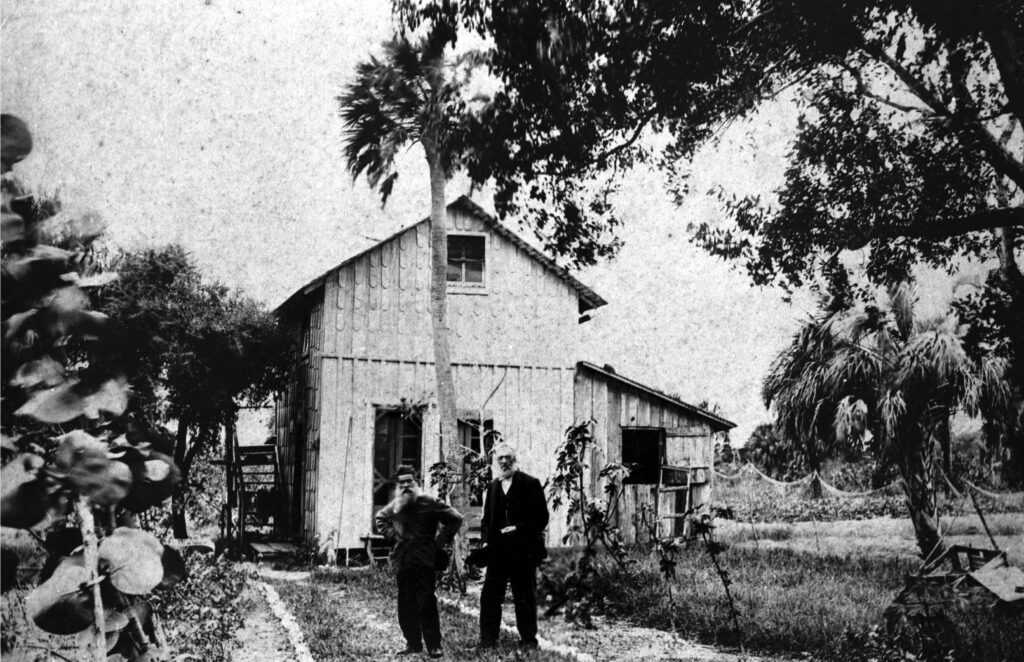
The first permanent homesteader on the island was George Emmerson Bean in 1893, after whom Bean Point at the island's north tip is named. While excavating his property, Bean discovered human remains and army-style brass buttons — belonging to a federal fleet that sank near the island during the Civil War in 1864.
Bean and his sons partnered with John and Charles Roser — the inventors of the Fig Newton cookie — to form the Anna Maria Beach Company. Together they developed the island's original roadways, opened the first post office in 1902, built the first municipal water system, and constructed the original city pier in 1911 to welcome steamship visitors from Tampa and St. Petersburg.
"Ladies wore long dresses and carried parasols, and they would get off the ferry and come down Pine Avenue — then just a dirt road — and walk toward the gulf," recalled Barbara Lemieux Murphy of the AMI Historical Society.
The inventors of the Fig Newton cookie helped build Anna Maria Island's first roads and pier.
The City Pier & Early Tourism
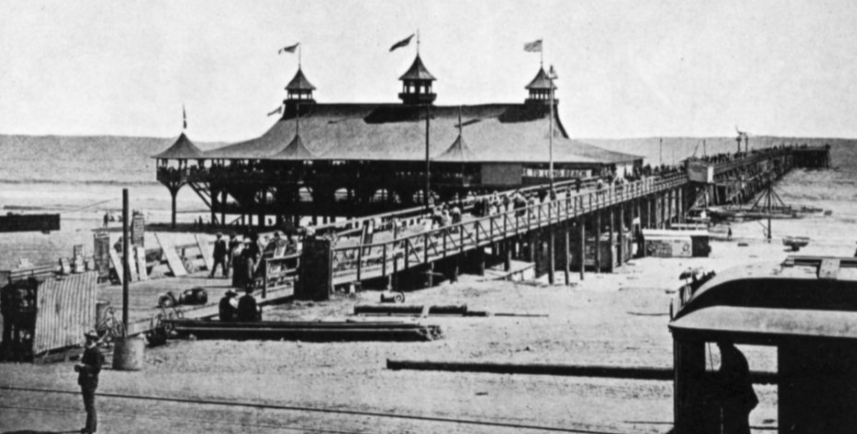
The Anna Maria Beach Company built the original city pier in 1911 to accommodate steamship visitors from Tampa and St. Pete. Tourists would disembark onto the pier and stroll down Pine Avenue — then a sandy dirt road — toward the Gulf beach.
In 1913, the first church was built as a memorial to John Roser's deceased wife. Over 100 years later, it still stands on Pine Avenue. That same year, a schoolhouse was built — and to this day, Anna Maria Island remains a one-school district.
The pier became the heart of the island's social life, and Pine Avenue grew into its commercial center. The original pier building featured a large pavilion with flags flying from its peaked roof, visible for miles across the Gulf.
The original 1911 city pier welcomed steamship visitors from Tampa and St. Petersburg.
The First Bridge
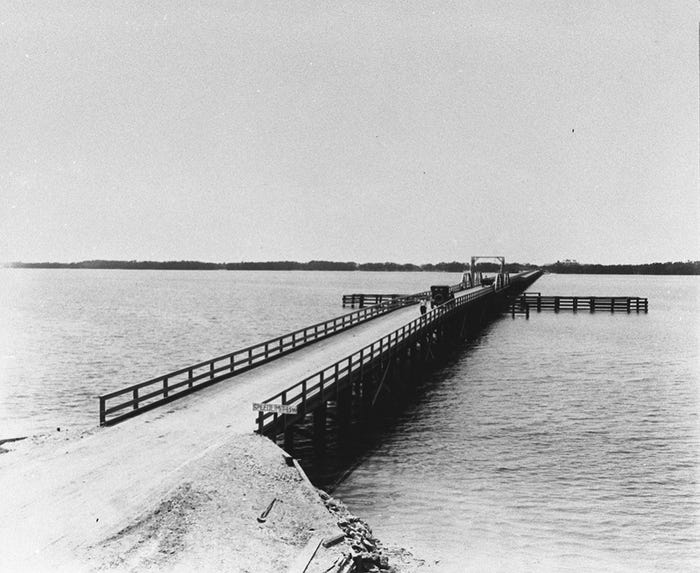
In 1922, the first bridge connecting the mainland to Anna Maria Island opened — just wide enough to accommodate the newly invented Model-T vehicles. The dangerous wooden bridge was operated by a hand crank that opened and closed the drawbridge to allow boats and cars to take turns passing.
This newfound access transformed the island. Bridge Street soon became the center of commerce. By 1926, a second bridge connected the south end to Longboat Key. The island's population boomed to 75 people by 1927 — among them bootleggers, a dancehall operator, bookkeepers, and the owner of the Pagoda Dancehall.
The original jail was built in 1927 to contain rowdy drunks from the dancehall. With just bars for windows and no screens, arrestees were subjected to ruthless mosquito torture. A fire destroyed the jail in 1940. Today the old jail still stands on Pine Avenue — without a roof and decorated with cheeky sayings for photo-ops.
The 1922 bridge opened the island to Model-T cars — and a population of 75, including bootleggers.
Babe Ruth & Baseball
From 1925 into the mid-1930s, Anna Maria Island became a playground for baseball legends during spring training season. Babe Ruth and other Major League stars used the island — fishing from the pier, relaxing on the beach, and becoming part of the island's lore.
During World War II, military training exercises took place nearby. Bomber planes darkened the skies and explosives were detonated along Mullet and Passage Keys — for a time keeping tourists away from the island.
Once the war ended, developers quickly moved in to purchase cheap land. Anna Maria incorporated in 1923; the City of Holmes Beach in 1950; the City of Bradenton Beach in 1952. Three distinct cities on one seven-mile island.
Babe Ruth trained on Anna Maria Island during spring training from 1925 into the mid-1930s.
Village of Cortez
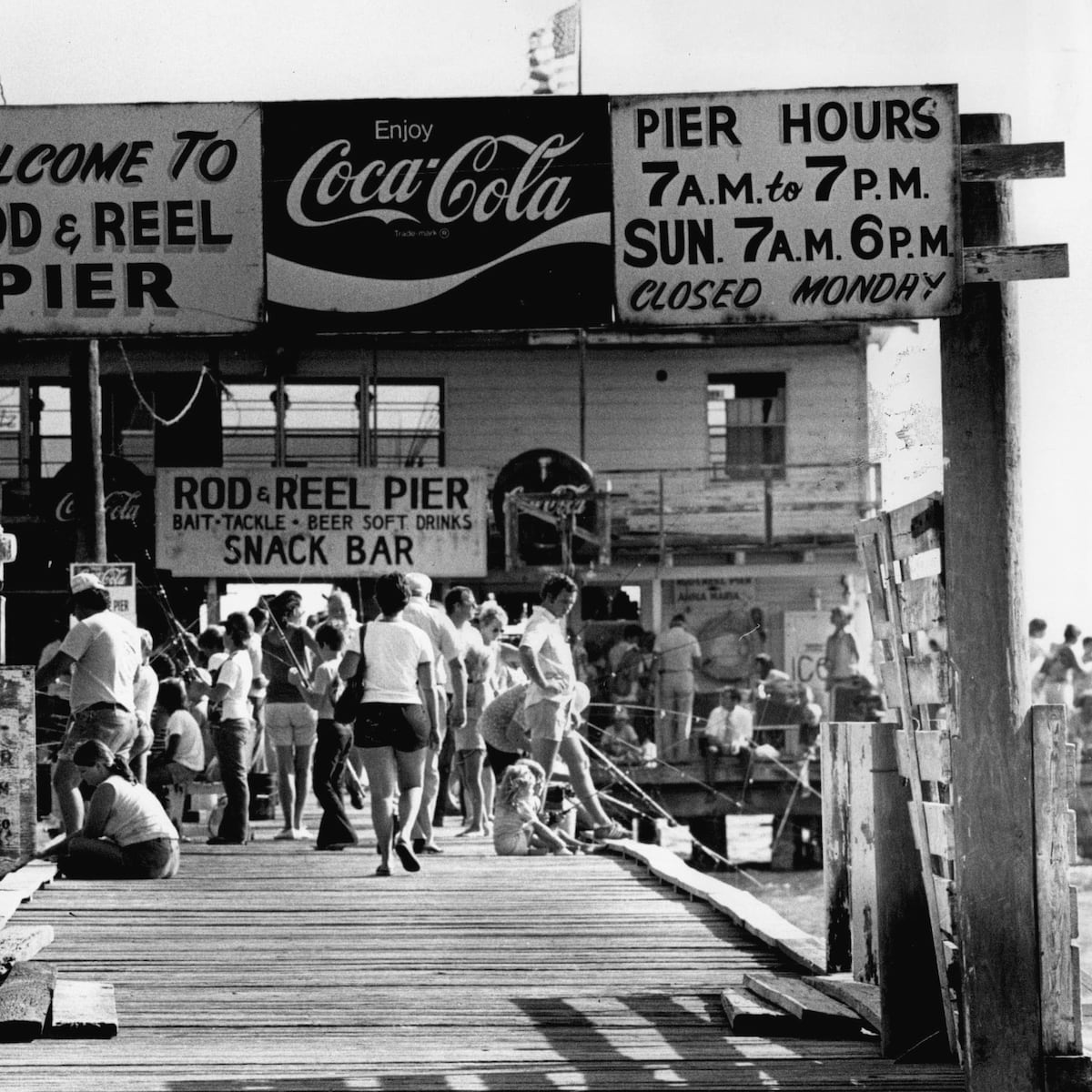
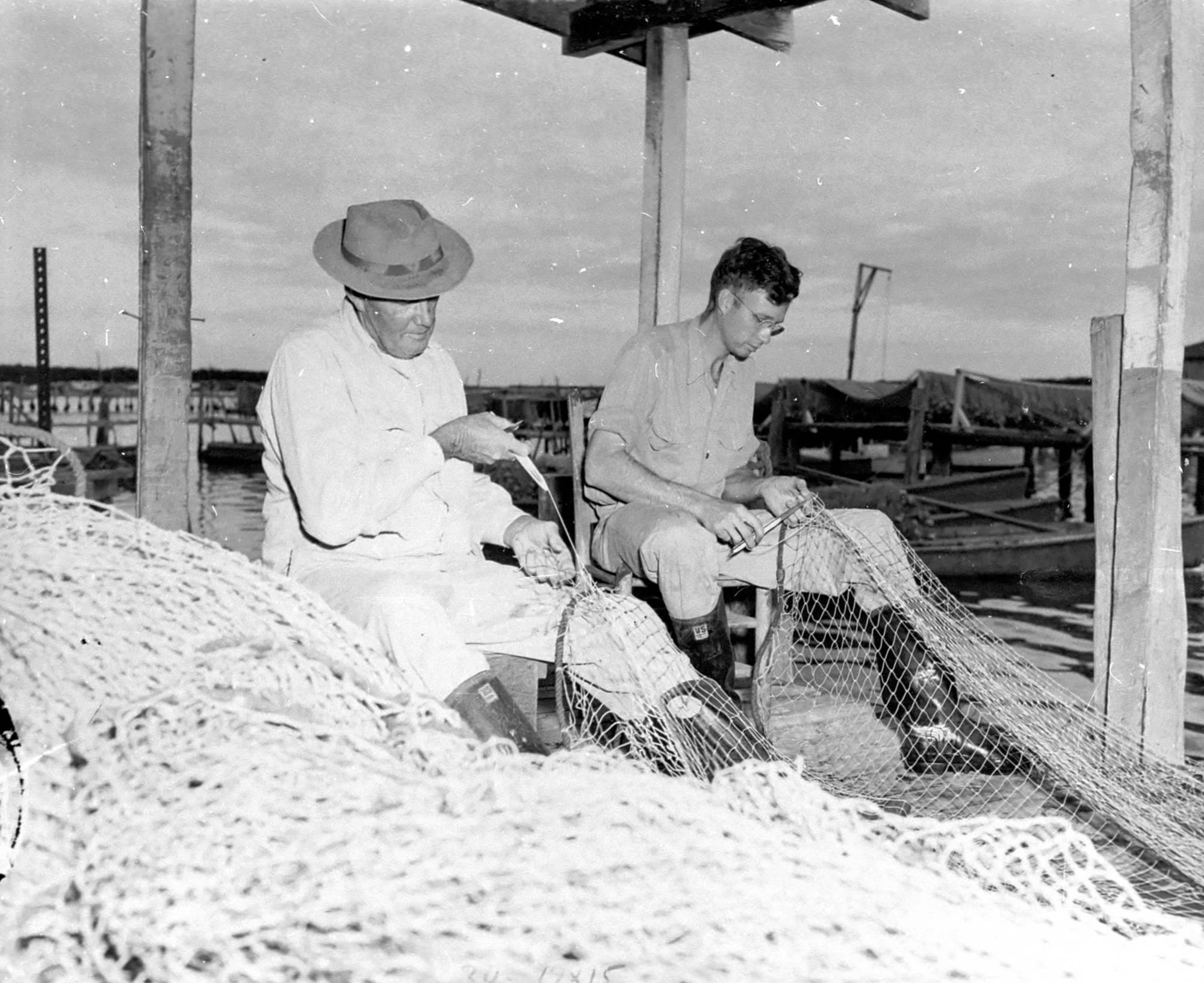
Just across the Cortez Bridge from Anna Maria Island lies one of the most remarkable places in all of Florida: the Village of Cortez, a working commercial fishing village that has survived virtually unchanged since the 1880s.
Cortez was settled in 1880 by fishing families from Carteret County, North Carolina — mullet fishermen who followed the fish south and never left. They built fish houses, boatyards, and a tight-knit community on the shores of Sarasota Bay. Many of their descendants still live and fish there today, making Cortez one of the last authentic working waterfronts on Florida's entire Gulf Coast.
The village is home to the Florida Maritime Museum, which preserves the history of Florida's commercial fishing industry and the families who built it. Every February, Cortez hosts its annual Commercial Fishing Festival — 44 years running — with live music, nautical arts and crafts, fresh local seafood right off the boat, and educational "Dock Talks" from the fishermen themselves.
Cortez is one of the last working commercial fishing villages in the southeastern United States — settled in 1880 and still fishing today.
Old Florida Preserved
Modern Anna Maria Island is defined by what it chose NOT to become. After two high-rise buildings were built in Holmes Beach in the early 1970s, all three island cities passed ordinances banning high-rise construction. Those two buildings were later razed, and the island has remained low-rise ever since.
"At least we don't have condos," longtime resident Evelynn Hoskins noted. The Old Florida charm is preserved not just by ordinance but by community spirit — residents who remember when Pine Avenue was a dirt road and the pier was the center of island life.
Today, the Anna Maria Island Historical Society Museum on Pine Avenue occupies the original 1920 icehouse. You can tour Belle Haven cottage (built in 1920, fell into the bay in 1926, rescued and restored), walk the mangrove path where the island's first freshwater well stood, and photograph yourself in the old jail — now a beloved tourist attraction.
AMI banned high-rise buildings after two were built and later torn down — preserving Old Florida forever.